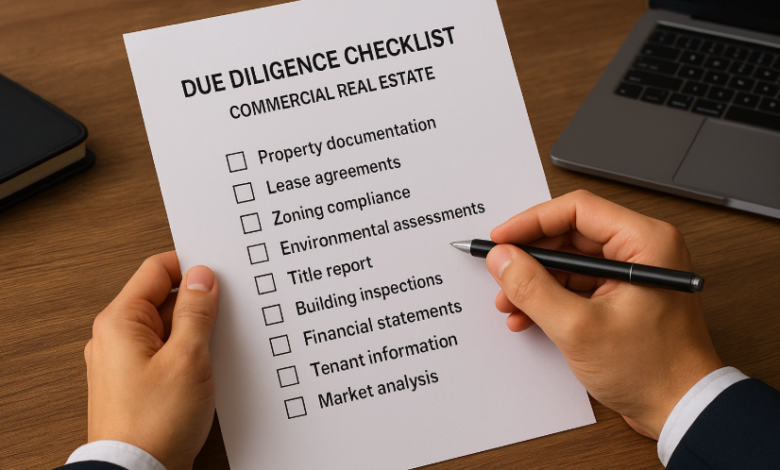
So you are ready to pull the trigger on a major commercial property deal. Whether you are eyeing a suburban strip mall, planning a massive warehouse expansion, or just looking to refinance your current holdings to free up some capital, there is a lot of paperwork flying around. Amidst the appraisals and environmental reports, one document stands as the ultimate gatekeeper of your investment. Getting property survey services conforming to ALTA/NSPS standards is the only way to ensure you actually know what you are buying before the ink dries. It is the difference between owning a gold mine and owning a legal headache that could cost you millions in boundary disputes or zoning violations.
The Foundation of Your Investment
Think of a commercial survey as the ultimate “home inspection” but for the ground itself. In the residential world, you might worry about a leaky roof or an old water heater. In the commercial world, the stakes are shifted toward legal boundaries, easements, and compliance. When you buy a piece of land, you aren’t just buying the dirt; you are buying the rights and restrictions attached to it.
A standard boundary survey might tell you where the fences are, but a commercial due diligence survey goes much deeper. It looks at the history of the land and how it interacts with the public record. If you are building from scratch, this is your roadmap. If you are buying an existing structure, it is your insurance policy against a neighbor claiming your parking lot actually belongs to them.
Why ALTA/NSPS Standards Matter
You might hear your lender or title company insist on specific criteria. They aren’t just being difficult. Most high-stakes commercial transactions require alta/nsps land title surveys because they provide a universal language for everyone involved. Without this standardized approach, one surveyor might miss a hidden utility line while another might ignore a shared driveway agreement.
These surveys are rigorous. They require the surveyor to cross-reference the physical findings on the ground with the legal descriptions found in the title commitment. This ensures that what is written on paper actually matches the reality of the terrain. For a developer or a business owner, this level of detail is non-negotiable.
Critical Elements to Look For
When you receive your survey, you shouldn’t just flip to the last page and look at the stamp. You need to dive into the details. Here are a few things that must be included to protect your interests:
- Easements and Rights-of-Way: These are the “invisible” lines that can ruin a construction plan. If a utility company has the right to run a pipe through the center of your proposed building site, you need to know that on day one.
- Encroachments: Is the neighbor’s shed leaning over your property line? Is your dumpster pad actually on the city’s sidewalk? These small overlaps can stall a refinance or a sale for months.
- Zoning and Setbacks: If you plan to build, you need to know exactly how far back from the road you have to stay. A good survey will visualize these requirements so your architect doesn’t make a costly mistake.
- Access Points: You need to confirm that the property has legal access to a public road. It sounds basic, but “landlocked” properties are a real and expensive nightmare in commercial real estate.
The Role of Table A Options
One of the best parts of a commercial survey is the ability to customize it using “Table A.” This is a list of optional items you can request depending on your specific needs. For example, if you are planning a major renovation, you might want to include topographic data to assess how water drains from the site.
If you are buying a retail center, you might ask the surveyor to map out every single parking space to ensure you meet the local municipal code for “minimum parking requirements.” Missing the mark by even five spots could prevent you from getting a certificate of occupancy. By selecting the right items from Table A, you turn a standard map into a powerful business tool.
See also: Little-Known Tricks for Seamless Integration of URC with Other Devices
Protecting Your Future Refinance
Even if you aren’t selling or building right now, a proper survey is vital for refinancing. Lenders are risk-averse. They want to know that the collateral for their loan is secure and free of legal entanglements. If your old survey is twenty years old and handwritten, a modern bank likely won’t accept it.
By investing in a high-quality survey now, you are essentially “future-proofing” your property. It provides a clean slate for any future transactions. When the time comes to pull equity out of the business or move to a larger location, having a professional, detailed survey ready to go makes you look prepared and significantly eases the bank’s job.
Final Word
At the end of the day, commercial real estate is about managing risk and maximizing the potential of your space. Skipping out on a detailed land analysis is like trying to build a skyscraper on a foundation of sand. It might look fine for a while, but eventually, the cracks will show. By securing property survey services conforming to ALTA/NSPS standards, you are giving yourself the peace of mind that comes with total clarity. Whether you are breaking ground on a new project or just securing your financial future through a refinance, start with the facts on the ground and build your success from there.